We'd love to hear from you
You can also chat with us or call (949) 450-0202

The Thankless Job of Being an HOA Board Member
This November, we're recognizing the neighbors who give their time, energy, and expertise to make their communities better.
The thankless job of being an HOA board member
There's a good chance you've had an opinion about a decision your HOA board has made. Maybe it was a landscaping change, an increase in assessments, or a project that seemed to take forever.
But have you considered what goes into those decisions? Or who spends their personal time making them?
Behind nearly every homeowners association is a group of neighbors who volunteer for a job that comes with significant responsibility, difficult decisions, and sometimes very little appreciation. And for most, there's no paycheck involved.
This November, we're recognizing the volunteers who take on these responsibilities while balancing their own jobs, families, and commitments.
Because there's a lot more to serving on an HOA board than attending a meeting once a month.
What does an HOA board actually do?
Depending on the community, an HOA board may oversee millions of dollars in assets, maintain complex building systems, manage shared amenities, and plan major improvements affecting hundreds or even thousands of homeowners.
Board members are elected by homeowners to guide these responsibilities. They review budgets, evaluate vendor contracts, consider insurance coverage, plan repairs, and address community concerns. They also have important fiduciary responsibilities to their associations, requiring them to exercise care, act in good faith, and make informed decisions in accordance with applicable law.
Professional community managers, accountants, engineers, attorneys, and other specialists provide expertise and support, but the board remains responsible for making informed decisions.
Good leadership isn't about having all the answers. It's recognizing when they need professional guidance and taking the time to understand how their decisions will affect the community.
Meet your HOA board: Who does what?
Each board member contributes to the association's leadership. While specific duties vary, most boards include several familiar positions.
The president: Keeping everyone moving forward
The president typically leads meetings, facilitates discussions, helps establish agendas, and represents the board. They keep conversations productive and help fellow directors reach decisions.
But the president isn't the boss of the neighborhood. Generally, they have the same voting power as other directors and must work collaboratively with the board.
The vice president: Ready for whatever comes next
The vice president steps in when the president is unavailable and may help oversee special projects, coordinate with committees, or serve as a liaison between the board and other groups.
The treasurer: Looking after the community's financial future
The treasurer works with management and accounting professionals to oversee the association's financial health. This includes reviewing financial statements, participating in budget development, and evaluating reserve funding.
Their work helps the board understand how today's financial decisions affect the community's future.
The secretary: Keeping the details straight
The secretary ensures meeting minutes, notices, and official records are properly maintained, often with support from management staff.
Good documentation supports transparency, accountability, and continuity from one board to the next.
Directors at large: A voice and a vote
Directors at large are full voting members who review proposals, participate in discussions, make decisions, and may oversee committees or special projects.
Their different backgrounds and perspectives contribute to more informed board decisions.
Beyond the board: The volunteers you might not know about
Board members aren't the only homeowners giving their time. Many communities also have volunteer committees focused on specific needs and activities.
Architectural review committee: Reviews homeowner requests for exterior modifications, landscaping changes, and other improvements against community guidelines.
Social committee: Plans resident gatherings, coordinates volunteers, and handles the logistics behind community events. That holiday party or summer barbecue didn't organize itself!
Landscape committee: Reviews planting plans, maintenance priorities, and improvements while helping balance appearance, sustainability, and cost.
Finance or budget committee: Helps review budgets, reserve studies, and other financial matters, providing research and recommendations to the board.
Welcome and communications committees: Help residents become familiar with their community and stay informed through events, newsletters, and other communications.
Other special committees: Depending on the association, volunteers may also focus on safety, maintenance, recreation, elections, or major capital projects.
Each committee offers homeowners an opportunity to contribute their interests and expertise without necessarily serving on the board.
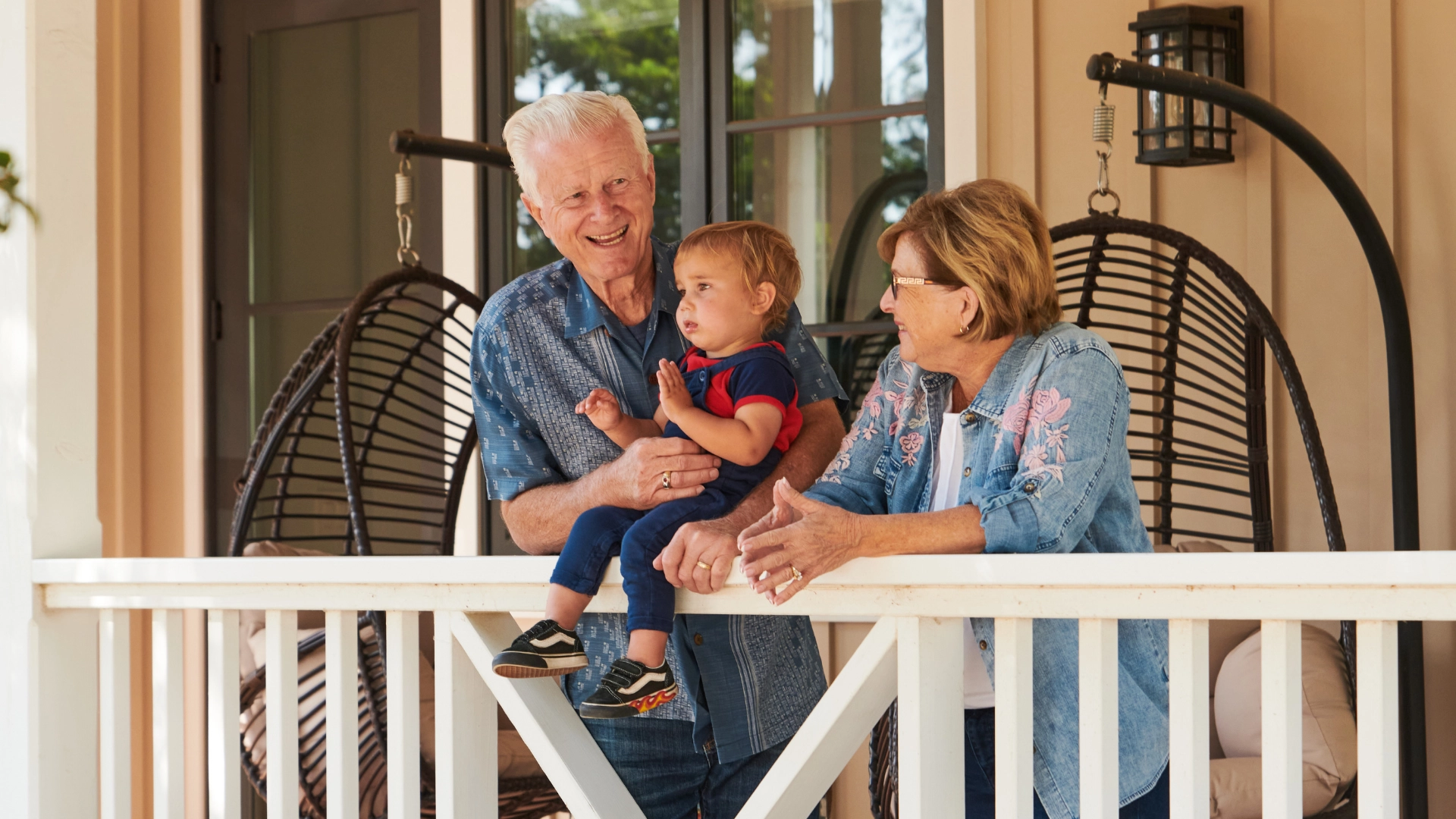
The personal side of volunteering
A board meeting might last two hours, but the work begins long before anyone calls it to order.
Board members give up evenings to review financial reports, spend weekends reading vendor proposals, and take time away from their families to address community issues.
And unlike most jobs, they can't always leave their responsibilities at the office.
The neighbor who disagreed with a decision at Tuesday's board meeting might be the same person they run into at the mailbox on Wednesday, in the elevator on Thursday, or while walking their dog over the weekend.
Serving on a board means accepting that your decisions may be questioned by people you see every day.
It also means learning subjects you never expected to study, from insurance policies and reserve funding to roofing systems and contract negotiations.
These volunteers aren't necessarily experts in every issue their community faces. They're homeowners willing to put in the time to understand those issues, consult the people who are experts, and help their neighbors make informed decisions.
That's a significant commitment, especially for an unpaid position.
When doing the right thing isn't the popular thing
Perhaps one of the most difficult parts of serving on an HOA board is making decisions that are necessary but unpopular.
Consider a community facing a major building repair. An engineering assessment reveals that critical components need replacement sooner than expected. The work will be expensive, disruptive, and impossible to ignore.
The board reviews the recommendations, explores funding options, considers the financial implications, and consults with professionals.
Then comes the difficult part.
The association may need to approve a special assessment, increase regular assessments, or undertake months of construction that disrupts residents' daily lives.
Nobody enjoys delivering that news, especially to their own neighbors.
And while residents see the added expense or inconvenience, they may not see the weeks or months spent researching alternatives, reviewing financial projections, and considering the consequences of delaying the work.
Postponing a necessary repair might be the easier decision in the moment. But responsible leadership requires looking beyond the immediate reaction and considering the community's long-term financial health, safety, and property values.
Sometimes responsible leadership requires making difficult decisions that may not be popular, even after carefully considering the available information, professional recommendations, and the concerns of homeowners.
Board members often face difficult decisions and criticism, but they continue to show up and do what they believe is best for their community.
A little understanding goes a long way
Volunteering doesn't mean every board decision will be perfect.
Homeowners have every right to ask questions, expect transparency, attend meetings, and hold elected representatives accountable.
But there's a difference between asking thoughtful questions and assuming a decision you disagree with was made carelessly.
Before criticizing a project timeline or budget decision, consider what information went into it. Attend a meeting, review available materials, and ask questions about the reasoning.
Remember that the person on the other side of the conversation is often a neighbor who volunteered for the responsibility.
And if you'd like to make a difference yourself, consider joining a committee, participating in elections, or volunteering at an event. Sharing the responsibility is one of the best ways to support the people already doing the work.
This November, thank a volunteer
It's easy to notice when something goes wrong. The broken gate, disruptive construction, or unexpected assessment increase.
It's harder to notice the work that helps things go right.
The reserve planning that prepares for future repairs. The contract review that helps control expenses. The hours spent organizing an event that brings neighbors together.
Behind those efforts are volunteers giving something they can't get back: their time.
At Action Property Management, we have the privilege of working alongside board members and community volunteers who take their responsibilities seriously. We see the questions they ask, the challenges they navigate, and the thought they put into decisions affecting their neighbors.
Their efforts don't always receive recognition, but they make a difference every day.
To every board member and community volunteer who has given up an evening, wrestled with a difficult decision, or worked behind-the-scenes to make their neighborhood a better place:
Your work matters, even when it goes unnoticed. We see you, we appreciate you, and this Thanksgiving, we thank you.




Related posts

Check out our podcast library
Check out podcast



Suite 200
Irvine, CA 92602