
We'd love to hear from you
You can also chat with us or call (949) 450-0202

Being the Best Board Member for Your HOA
A DOs and DON'Ts Reference
Being the Best Board Member for Your HOA: A DOs and DON'Ts Reference
Whether you were elected last week or have served on the board for years, the fundamentals of good governance are worth revisiting. Community associations are non-profit mutual benefit corporations run by a board of directors, and while the board delegates much of the day-to-day work to management, the ultimate authority for governance rests with you and your fellow directors. That is true on your first day and your thousandth.
New directors will find this a helpful primer on how effective boards operate. Experienced directors will recognize most of it, and a periodic refresher never hurts. Either way, keep this handy. These are the habits that make boards effective and the pitfalls that tend to cause trouble.
The DOs
Do prepare before every meeting. Your manager prepares a Directors Report roughly five days ahead of each meeting, with financial statements, minutes, and background on the items you will vote on. Read it. Preparation is not just courtesy, it is part of your fiduciary duty of reasonable care.
Do ask your questions in advance. If something in the financials or the agenda is unclear, contact management before the meeting so the manager has time to research and bring you an answer. Meetings run better when directors arrive informed rather than working through basic questions in front of the membership.
Do speak with one voice. Once the board takes a vote, all directors support the decision regardless of how they personally voted. Your vote is your chance to express your opinion on the matter. After that, the decision belongs to the board as a whole.
Do protect confidential information. Executive session topics such as contract negotiations, member delinquencies, and legal matters must stay in confidence. This can be difficult, but confidential means confidential, including at home with your spouse.
Do rely on your experts. Boards are expected to exercise reasonable inquiry and lean on the advice of professionals such as attorneys, reserve specialists, and CPAs. Being a good director does not mean knowing everything. It means being humble enough to get the right advice when you need it.
Do keep the whole community in mind. Strive to justify every decision as being in the best interests of all owners, including future owners, rather than any one group. Sometimes the prudent choice, such as approving an assessment increase to keep the association financially healthy, is not the popular one.
Do follow good meeting practice. Use parliamentary procedure of motion, second, discussion, and vote. Follow the agenda, discuss one subject at a time, give every director an opportunity to speak, and speak only on the issue being discussed.
Do address concerns through the right channel. If you have concerns about the manager's performance, raise them privately with the manager, contact the manager's supervisor, or discuss the matter in executive session. These conversations do not belong in an open meeting in front of members.
Do take advantage of your resources. Your Volunteer Portal, accessible with your Resident Portal credentials, holds financial statements, the reserve study, budgets, executive session minutes, and your manager's Action List. Action Property Management also offers Board Leadership Seminars, usually quarterly at no charge, so ask your manager for the current schedule in your region.

The DON'Ts
Don't discuss association business outside a noticed meeting. A gathering of a majority of directors is technically a meeting, even by email or text, and it must comply with the same notice requirements. Avoid lengthy discussions or decisions on association business outside a properly noticed meeting unless it is a true emergency.
Don't post about board matters on social media. Anything you say or post can be read as the board's official position rather than your personal view. The safest approach is to avoid engaging on social media about association issues altogether.
Don't speak for the board on your own. Limit one-on-one communication with members on board issues. As a director, members may interpret what you say as a statement from the board, so be mindful of how your words land.
Don't confuse your role with Management's. Management handles communication with owners about violations and coordinates hearings, but only the board can impose discipline under the association's Fine and Enforcement Policy. Let each side do its part.
Don't let personal interests drive decisions. Your duty of loyalty means avoiding conflicts of interest and never making decisions that benefit you individually at the expense of the association and its members. Where a conflict is unavoidable, declare it and manage it openly.
Don't call special or emergency meetings casually. A special meeting addresses a single topic, and an emergency meeting is reserved for matters the board could not reasonably foresee. Emergency meetings should not be a regular occurrence.
Don't skip notice requirements. Statutory notice requirements vary by state and sometimes, by community type. For example, in California, all Common Interest Developments, whether HOA, condo, or coop, must notice general session meetings to members at least four days in advance, and executive sessions at least two days in advance with a general description of the items to be covered. In Texas, HOA's must provide members with six days' notice of board meetings, and condos must conform to their Bylaws. No matter the jurisdiction, proper notice protects the board and respects members' right to participate.
.jpg)
You Govern For Everyone
The best boards are disciplined enough to act as a group authority, diverse enough to weigh multiple viewpoints, and willing to get expert help when they need it. Every director was elected as an individual, but the board governs on behalf of everyone.
None of this has to be perfect on any given day. Whether you are still learning the ropes or you have seen a dozen budget cycles, your manager and the full team at Action Property Management are here to support you. Ask questions, use your resources, and lead with the community's best interests at heart. That is what being the best board member for your HOA looks like.



.svg)
Check out our podcast library
Check out podcast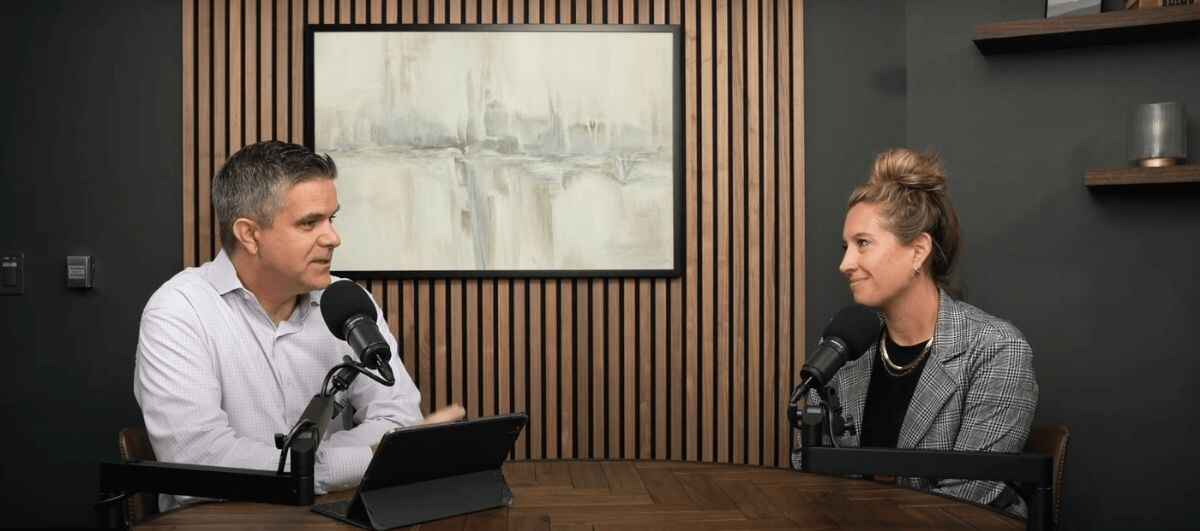



Suite 200
Irvine, CA 92602