
We'd love to hear from you
You can also chat with us or call (949) 450-0202

The Invisible Guardians of Community Life
The internal controls that protect HOA budgets, reserves, and records
In a well-run community, most things just work. Bills get paid, vendors show up on time, and records stay organized. Residents do not notice all the little checks and processes that make it happen until something goes wrong.
Those quiet systems are the backbone of a community. They keep finances accurate, make sure rules are followed fairly, and give everyone confidence that things are being handled properly. Managers, board members, and staff are not superheroes. They rely on procedures and checks to catch mistakes early, before they become problems.
Even small steps matter. A manager reviewing an invoice twice, a board member double-checking a report, a simple flag in accounting software. These little actions add up. They keep the day-to-day running smoothly and prevent small errors from turning into big headaches.
When you start paying attention to these invisible systems, you begin to see the community differently. The work behind the scenes is not flashy, but it is what keeps everything moving without drama. It’s what residents notice in the end, even if they do not realize why.
The Anatomy of a Control
Imagine the life of a single invoice. A landscaper submits it for work done. The manager reviews it. A board member approves it. The finance team schedules payment. Somewhere along the chain, multiple checks confirm: the service was rendered, the amount is correct, the budget allows it.
Every checkpoint is an opportunity. For error. For oversight. For fraud.
An effective internal control system is like a Rube Goldberg machine designed to prevent mistakes before they matter. It doesn’t require anyone to be suspicious. It assumes human fallibility as a starting point. If a process depends entirely on one person’s memory or goodwill, it is already a risk.
For example, one HOA might have a policy that all checks above $5,000 require dual signatures. On paper, it sounds sufficient. But if one signatory routinely approves without reviewing the backup documentation, the control is mostly cosmetic. The invoice might still be legitimate, but the system failed to protect the community from potential errors.
Risk is a Living Thing
Most boards think of risk in dramatic terms: fires, lawsuits, storms. The financial risks, however, are often slower, subtler, and just as dangerous.
Consider this: a small misclassification in reserve accounting goes unnoticed for three years. By itself, it may be harmless. But it compounds interest, misleads future budgeting decisions, and undermines confidence in the board’s fiscal stewardship. When residents see the numbers, they trust them. The reality may be different.
Internal controls act as a continuous reality check. They ask the same question over and over: Does this make sense?
And like any living system, risk evolves. Software updates, staffing changes, and new vendors all shift the landscape. Without ongoing review, what was once a solid control can quietly degrade.
The People Behind the Processes
You often hear about audits as if they are performed in isolation by CPAs who parachute in for a week. But the day-to-day guardians are the staff, managers, and committees embedded in the community.
They are the ones reconciling bank statements, reviewing vendor contracts, verifying that insurance premiums are calculated correctly. Their work is less about catching malfeasance and more about keeping the community’s story coherent.
One HOA manager described it this way: “If you think of the community as a ship, our job isn’t always to steer. Sometimes it’s just to make sure the hull doesn’t leak, the compass is calibrated, and the crew isn’t sleeping at the oars.”
When Controls Prevent Drama
Some stories are dramatic precisely because they could have been prevented.
A board once approved a large landscaping invoice without adequate documentation. By the time anyone noticed, the payment had cleared, and the vendor had changed banks. Reversing it was nearly impossible. Residents were frustrated. The board was embarrassed.
Contrast that with a neighboring HOA where a simple internal control—a required manager signature plus an automated software flag—caught a similar invoice discrepancy before payment. No drama. No panic. Just a small course correction that no one even noticed, except that everything continued to work.
These quiet victories rarely make it into newsletters or community meetings, but they are more common than headline-worthy crises.

Designing Systems That Work
The challenge for boards is that internal controls are not naturally exciting. They are often seen as paperwork, checks, or hoops to jump through. The key is to design them around human behavior.
Good controls are:
- Practical – they do not slow down legitimate work unnecessarily.
- Redundant – no single person can override the system alone.
- Transparent – they allow for clear documentation that can be reviewed easily.
- Flexible – they adapt as the community grows and evolves.
For example, monthly reconciliations might be performed by a manager and then spot-checked by a board member. Reserve transfers might be reviewed quarterly against a simple dashboard that flags unusual activity. Vendor contracts might require standard clauses to protect the community, and a process ensures someone verifies them before signatures.
It may sound mundane. But these practices are what prevent small errors from snowballing into disputes, unexpected assessments, or litigation.
The Culture of Accountability
Controls are tools. Without a culture that respects them, they are just paper and pixels. Communities that value accountability treat documentation, reconciliation, and verification as shared responsibilities. Everyone—from board members to residents who submit requests—plays a role in maintaining integrity.
When a culture of accountability exists, errors are caught quickly, disputes remain small, and surprises are rare. Residents trust the board. Vendors understand expectations. Managers operate confidently. The community functions as it was intended.
Without that culture, even the most sophisticated controls can fail. Staff shortcuts, unapproved transactions, or ignored reports can undermine years of planning.
Seeing the System in Action
One way to understand internal controls is to observe them in practice. Ask:
- How are invoices tracked from receipt to payment?
- Who reviews financial reports and how often?
- Are discrepancies flagged automatically or manually?
- What happens when a vendor changes payment instructions?
The answers reveal the invisible scaffolding that holds a community together. Often, the most effective controls are the ones residents never notice. That’s the paradox: the better the system, the less anyone is aware it exists.
Why It Matters
At the end of the day, internal controls and procedural reviews are not about catching wrongdoing. They are about making the community resilient. They prevent small mistakes from becoming crises. They keep financial stewardship clear and trustworthy. They ensure that when boards make decisions, those decisions rest on accurate, reliable information.
Communities that invest in these invisible guardians reap the benefits quietly: residents are satisfied, assessments remain stable, and disputes are minimized. The work is invisible, but its impact is tangible.
When a community functions this smoothly, it is easy to forget the system behind it. That’s the point. When done well, internal controls and risk checks are the silent engine of trust, stability, and cohesion.
In a world where surprises are inevitable, having invisible guardians means a community can navigate them with confidence. Audits may eventually confirm that everything is in order, but a well-designed system ensures that confirmation is mostly a formality. The real protection is in the ongoing, quiet diligence that keeps the community humming long before the auditor ever arrives.
Check out Episode 86 of The Uncommon Area to learn more about HOA audits!
.jpg)



.svg)
Check out our podcast library
Check out podcast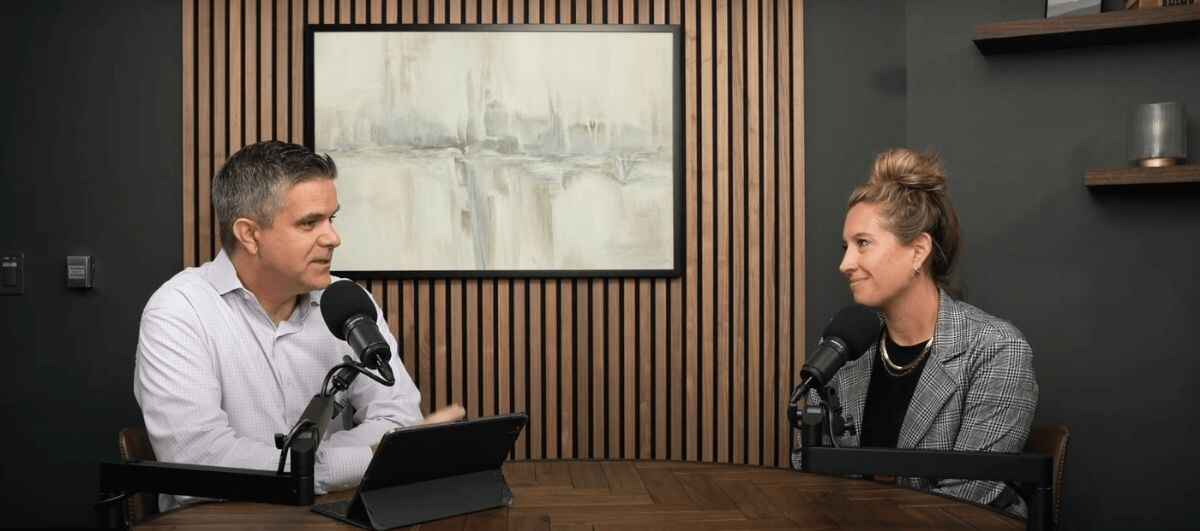



Suite 200
Irvine, CA 92602